

Bhojtal Bhopal Tourism
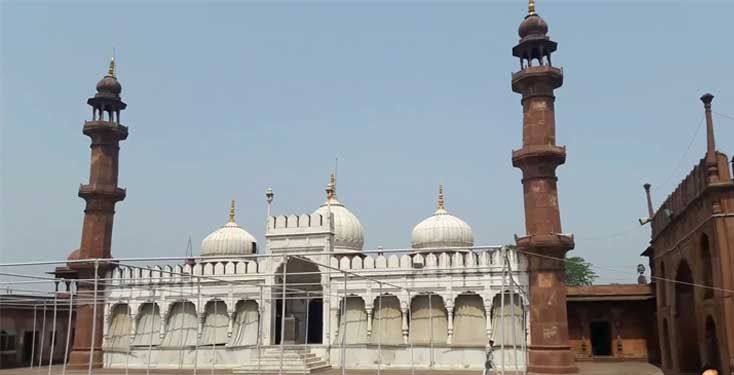
Overview of Bhojtal Bhopal
The Bhojtal is an artificial lake located in the heart of the capital of Madhya Pradesh, Bhopal. This pond was built in the 11th century. There is a saying in Bhopal: "The rhythm of such ‘Tal’ in the locks is the rest of the lake", that is, "If there is a pond in the right sense, then it is the Bhopal pond". This giant water structure of Bhopal is called "Lake Superior" in English. This is called 'Bhojtal' in Hindi. It is also considered as the largest artificial lake in Asia. Located in the western part of the capital of Madhya Pradesh, Bhopal, this tank is the main source of drinking water for residents of Bhopal.
History of Bhojtal Bhopal
Bhopal's 'Bhojtal' was built in the 11th century by Raja Bhoj of Parmar dynasty. The history of this ancient and mass-utilized reservoir is full of many sour experiences. Based on available historical records, it is believed that the famous Parmar King Bhoj of Dhar state had suffered from an incurable skin disease. A saint advised them to make a huge reservoir containing 365 sources and take bath in it. Considering the monk, King Bhoj put the royal staff on the job. These royal officers discovered a valley which was located at the mouth of the river Betwa. But they got annoyed seeing that there were only 356 heads of water. Then a Gond Chief named 'Kaliya' informed the nearby river, which had many tributaries. By combining all these, the number stated by the saint was fulfilled. In the name of this Gond Chief, this river was named Kaliyasot, which is still popular today. But the time of King Bhoj's challenge was not yet over.
The water of the Betwa river was not enough to fill this huge valley. Therefore, a dam was constructed to turn another river flowing west about 32 kilometers west of the valley to the Betwa valley. This dam was built in Bhojpur near today's Bhopal city. The huge reservoir of these efforts made the name Bhojpaala. Its expansion was 65,000 hectares and somewhere it was 30 meters deep. This was probably the largest man-made reservoir of Peninsular India. There were many beautiful islands in it, and there were beautiful hills around it. He had spread from the famous Bhojpur pagoda to today's Bhopal city. It is said that the King Bhoj washed his bath in this reservoir and got rid of his disease. The name of this city was gradually become 'Bhojpal' and later 'Bhopal' due to the huge reservoir 'Bhojpaala' built by King Bhoj.
Water storage capacity
In 1963, Bhojtal water storing size enlarged with the construction of a dam in Bhadbhada. From this, there is an upsurge in the submerged area of the western and southern portions of Bhojtal. The water extension area of the Bhojtal is approximately 31 square kilometers, while the small water level of the small pond is only 1.29 square kilometers. The average depth of these ponds is 6 meters. In some places the depth is 11 meters. The water storage capacity of Bhojtal is 11.6 million cubic meters. This water comes from the rain in the catchment area of the lake and, eventually, the inhabitants of Bhopal are available in the spouts of the houses as drinking water. The rocks below the Bhopal ponds are the kind of basalt of the Deccan trap, caused by the volcanoes' flames and the cooling of the lava. In the area where the Bhopal pond is located, in ancient times, there was a lot of geological agitation in that land.
© Copyright 2018 Design ByIndia Easy TripAll Rights Reserved