Find the best customizable tour packages to the top destinations across India.
Call Support

+91 9759222888

Mail Support

info@indiaeasytrip.com

English
English
ंद

Har Ki Dun Trek: Complete 7D/6N Package & Itinerary

Location Not Specified View Location

Valley

Peaks

Villages

Lakes

Starting from

₹14,999

₹9,999 Per Person

Why Book Your Har Ki Dun Trek Package With Us?

31 Years Excellence: 31 years of trust and industry experience

Ministry of Tourism Approved: We are a government-authorized tour operator and a proud member of IATO & UTO, guaranteeing that your Varanasi tour package meets the highest quality and safety standards.

4.8/4.9-Star Rating Experience

Safety Certified (Strict Service Guidelines)

24/7 On-Ground Support: Always available help throughout your trip

ISO Certified Quality: Certified quality backed by government approvals

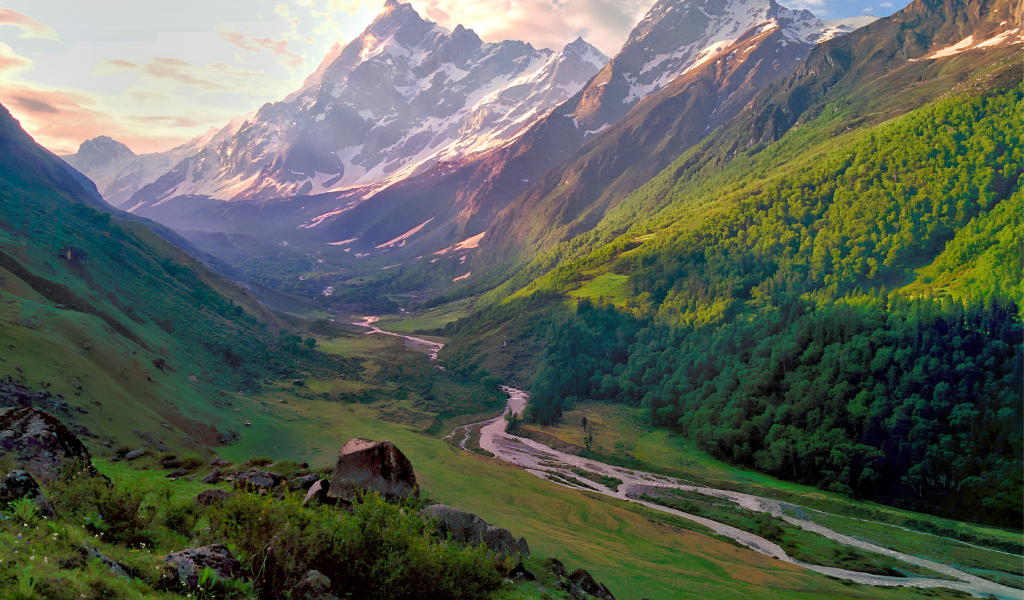
Located inside the beautiful Govind Pashu Vihar National Park in Uttarakhand, the Har Ki Dun trek is famous as the "Valley of Gods." On this trek, you walk through peaceful mountain villages with traditional wooden homes like Osla and Gangad.

Whether this is your very first mountain trek or you are an experienced walker, our Har Ki Dun trek package gives you a safe, easy, and memorable trip. Enjoy hot fresh meals, cozy camping tents, certified guides, and amazing views of the famous Swargarohini peaks and Jaundhar Glacier.

  • Package Price: Starting at ₹9,999/- per person (All-Inclusive from Haridwar)

Detailed 8-Day Har Ki Dun Trek Itinerary from Haridwar

This 8-day Har Ki Dun itinerary starts from Haridwar and features a beautiful drive to Sankri, passing through Taluka, Pauni Garaat, and Kalkattiyadhar. Explore Har Ki Dun Valley, visit Maninda Tal, and return comfortably with full transport and tent stays.

Day 01

Drive from Haridwar to Sankri Base Village

  • Drive: 230 km (8–9 hours) | Stay: Guest House in Sankri

  • Meet our driver at Haridwar Railway Station in the early morning and drive to Sankri. Check into your guest house and spend the evening shopping for gear or warm clothes at the local market.

Day 02

Drive to Taluka & Trek to Pauni Garaat

  • Drive: 12 km (1 hour) | Trek: 10 km (5 hours) | Stay: Tents at Pauni Garaat

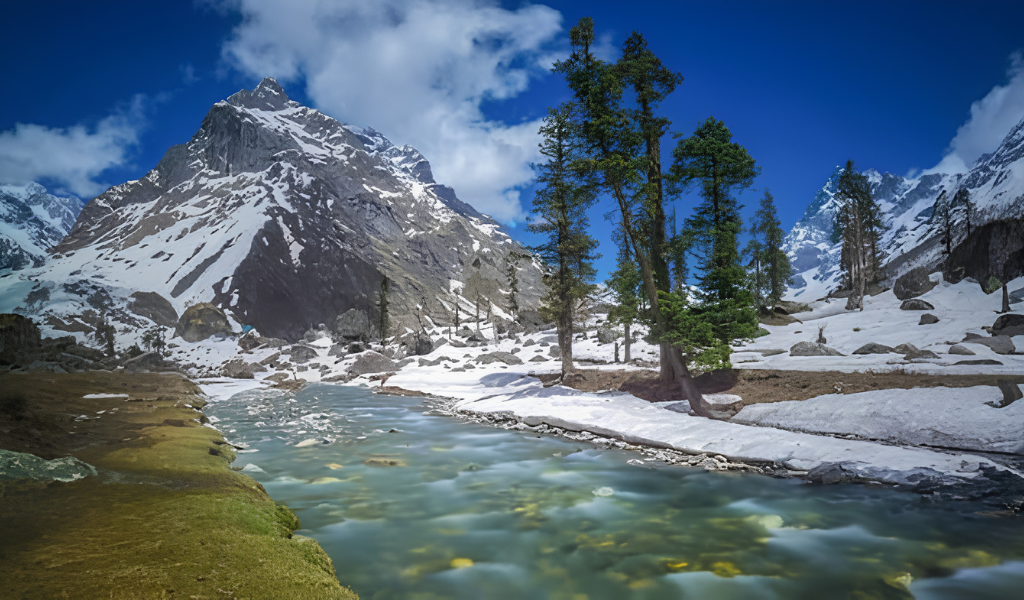
  • After breakfast, take a short drive to Taluka where the walk begins. Walk through green forests along the Supin River, pass wooden villages, and reach your riverside campsite at Pauni Garaat.

Day 03

Trek from Pauni Garaat to Kalkattiyadhar

  • Trek: 7 km (5–6 hours) | Stay: Tents at Kalkattiyadhar

  • Start walking uphill after breakfast. Pass the old wooden village of Osla across the valley. Reach Kalkattiyadhar campsite by afternoon and enjoy great views of Swargarohini Peak.

Day 04

Trek from Kalkattiyadhar to Har Ki Dun Valley

  • Trek: 5 km (3–4 hours) | Stay: Tents at Har Ki Dun

  • Today you reach the famous "Valley of Gods!" Walk into Har Ki Dun valley surrounded by massive snow peaks, cold mountain streams, and glaciers. Spend the afternoon taking photos and relaxing.

Day 05

Day Trip to Maninda Tal & Back to Har Ki Dun

  • Trek: 6 km round trip (4 hours) | Stay: Tents at Har Ki Dun

  • Walk further up the valley to see Maninda Tal, a high-altitude mountain lake. Enjoy the peaceful views by the water before returning to camp for dinner.

Day 06

Trek Back from Har Ki Dun to Pauni Garaat

  • Trek: 12 km (5–6 hours) | Stay: Tents at Pauni Garaat

  • Say goodbye to the valley and walk downhill back to Pauni Garaat. Enjoy the fresh air, pine trees, and river sounds along the way.

Day 07

Trek to Taluka & Drive to Sankri

  • Trek: 10 km (4 hours) | Drive: 12 km (1 hour) | Stay: Guest House in Sankri

  • Trek back to Taluka along the river path. Board our car at Taluka and drive back to Sankri. Take a warm shower at the guest house and celebrate your trek completion!

Day 08

Drive from Sankri back to Haridwar

  • Drive: 230 km (8–9 hours)

  • After breakfast, check out of your guest house and drive back to Haridwar. You will reach Haridwar Railway Station by late evening.

Har Ki Dun Trek Package Inclusions & Exclusions

This Har Ki Dun package covers guest house stays in Sankri, tent stays, hot vegetarian meals, certified guide services, forest permits, and round-trip transport from Haridwar. Personal trekking gear, backpack offloading, personal expenses, and travel meals are excluded.

Includes
  • Stays:

2 nights in a guest house in Sankri (Day 1 & Day 7).

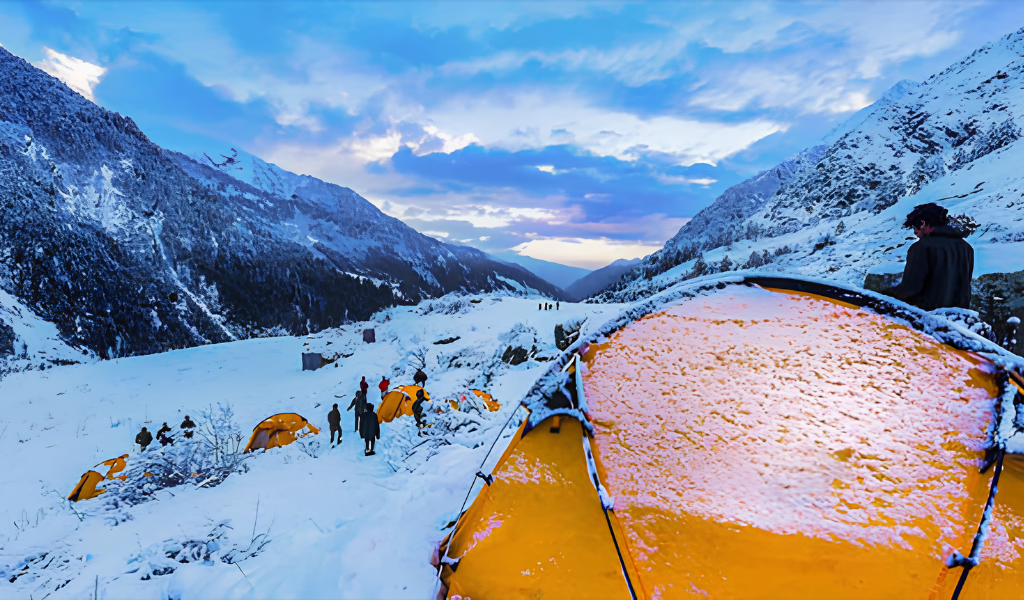
5 nights in tents at mountain campsites with sleeping bags and mats.

  • Food:

All fresh, hot vegetarian meals (Breakfast, Lunch, Evening Tea, Dinner) from Day 1 dinner to Day 8 breakfast.

Morning and evening hot tea, coffee, and light snacks.

  • Travel & Permits:

Pickup and drop in a shared car between Haridwar Railway Station and Sankri.

Local rides between Sankri and Taluka (where the walk starts and ends).

All forest permissions and park entry fees.

  • Safety & Team Support:

Certified mountain trek guide and local support team.

Experienced mountain cook.

First aid box, oxygen cylinders, and pulse monitor for safety.

Eco-friendly toilet tents and dining tents set up at every camp.

Excludes
  • Travel to Haridwar: Your travel ticket to Haridwar before Day 1 and from Haridwar after Day 8.

  • Bag Carrying Service: Porter or mule fee if you ask someone to carry your backpack.

  • Personal Clothing & Equipment: Warm clothes, trekking shoes, water bottles, and walking sticks.

  • Road Trip Meals: Food or snacks bought during the car ride between Haridwar and Sankri.

  • Personal Shopping & Expenses: Extra snacks, tips, laundry, personal medicine, or phone charging costs.

  • Emergency Costs: Extra expenses caused by sudden bad weather, road blockages, or medical emergency.

Essential Packing List for Har Ki Dun Trek

Pack 3-layer warm clothing, a raincoat, and sturdy high-ankle trekking shoes. Carry a 40–50L backpack with a rain cover, walking poles, headlamp, and water bottles. Include SPF 50+ sunscreen, lip balm, personal hygiene items, wet wipes, and basic medical supplies.

1. Warm Clothes (Layering System)

  • Thermal Innerwear: 1–2 pairs to keep you warm at night.

  • Fleece Jacket / Sweater: 1–2 mid-layers for walking on chilly mornings.

  • Heavy Puffer / Down Jacket: 1 warm jacket for cold evenings at high camps.

  • Raincoat / Poncho: 1 waterproof jacket or poncho in case of sudden rain or snow.

  • Trekking Pants & T-shirts: 2–3 quick-dry synthetic shirts and 2 comfortable pants.

2. Footwear & Socks

  • Trekking Shoes: 1 pair of sturdy, water-resistant shoes with good ankle support.

  • Socks: 3–4 pairs of cotton socks for walking + 1 pair of thick woolen socks for sleep.

  • Camp Slippers: 1 pair of light sandals or crocs to relax your feet at camp.

3. Important Gear & Bags

  • Main Backpack: A 40–50 Litre bag with a rain cover.

  • Daypack (Optional): A small 15–20 Litre bag if you pay for mule offloading.

  • Trekking Poles: 1 pair of walking sticks to reduce knee stress on downhill paths.

  • Headlamp / Torch: 1 hands-free flashlight with extra batteries for nighttime at camp.

  • Water Bottles: 2 reusable 1-litre water bottles or a hydration bladder.

4. Personal Hygiene & Medical Kit

  • Sun Protection: Sunscreen cream (SPF 50+), sun hat, and UV sunglasses.

  • Cold Care: Lip balm and cold cream.

  • Hygiene: Wet wipes, tissue paper rolls, quick-dry towel, and hand sanitizer.

  • Personal Medicine: Personal daily medicines, band-aids, Pain relief spray, and ORS/Elector packets.

Safety, Health & High-Altitude Care Protocols

We ensure total safety on the Har Ki Dun trek with twice-daily oxygen and pulse health checks, certified mountain leaders (BMC/WFR), emergency oxygen, first-aid kits, and proper high-altitude acclimatization to keep you healthy every step of the way.

1. Daily Morning & Evening Health Checkups

To make sure your body is adapting smoothly to mountain altitude, our team conducts regular health checks twice every day:

  • Pulse & Oxygen Check: We check your heart rate and blood oxygen levels every morning before starting the trek and every evening at camp using digital pulse oximeters.

  • Health Log Card: We maintain a daily record for every trekker to catch any early signs of tiredness or altitude discomfort before it becomes a problem.

2. Certified & Experienced Mountain Leaders

You are always in safe hands. Every batch is led by highly trained mountain professionals:

  • Certified Trek Leaders: Our leaders are certified in Basic & Advanced Mountaineering Courses (BMC/AMC) from premier national institutes (NIM/ABVIMAS).

  • First Aid: Trek leaders are trained in Wilderness First Response (WFR) to handle high-altitude medical needs immediately.

  • Guides: Local mountain guides walk alongside the group, knowing every step, weather pattern, and shortcut on the trail.

3. Emergency Medical Equipment on Trail

Every single trekking team carries emergency medical support from start to finish:

  • Medical Oxygen Cylinders: Portable high-altitude oxygen cylinders are kept ready at camp and on the trail for instant assistance if needed.

  • Fully Stocked First-Aid Kits: Complete with bandages, antiseptics, burn creams, pain relief sprays, and emergency medicines.

  • Stretcher & Emergency Plan: Quick ground evacuation protocols back to base village (Sankri) in case a trekker needs to descend due to sudden illness.

4. Altitude Sickness (AMS) Awareness & Prevention

At 11,760 feet, the air gets thinner, but simple habits keep you healthy and energized:

  • What is AMS? Acute Mountain Sickness happens when your body needs time to adjust to high altitudes. Symptoms include light headaches, dizziness, or mild nausea.

  • How We Prevent It:

    • Pacing: We walk at a gentle, steady pace ("slow and steady wins the mountain").

    • Hydration: We ensure every trekker drinks at least 3 to 4 liters of water daily.

    • Gradual Ascent: Our itinerary is carefully designed with gradual elevation gains to give your body proper time to acclimatize naturally.

Frequently Asked Questions

The best months are April to June (for pleasant weather, blooming flowers, and snow patches) and September to December (for clear skies, autumn colors, and crisp views of Swargarohini peaks).

Mobile network (BSNL, Jio, Airtel) is available up to Sankri. Once you cross Sankri towards Taluka and into the valley, there is no mobile network or internet coverage.

We serve fresh, hot, and hygienic 100% vegetarian meals (Breakfast, Lunch, Evening Snacks, and Dinner). The menu is rich in carbohydrates and proteins to keep your energy high at high altitudes.

Our trek leaders carry medical oxygen cylinders, first-aid kits, and pulse oximeters for daily health checks. If someone suffers from severe altitude sickness (AMS), our team immediately coordinates a safe descent to a lower altitude or base village.

The total trekking distance is approximately 47 km (round trip) spread over 6 walking days. You will cover about 8 km to 12 km per day on gradual, scenic mountain trails.

Yes. At base village Sankri, you stay in guest houses with attached clean washrooms. On the trek, eco-friendly dry toilet tents are set up at every campsite with toilet paper and washing water.

Yes. If you do not wish to carry your main backpack (40–50L), you can offload it to a mule/porter by paying an extra charge per day. You only carry a small daypack with your water bottle, jacket, and camera.

Daytime temperatures range between 10°C to 18°C, making walking comfortable. Nighttime temperatures drop to 0°C to -5°C at high camps like Kalkattiyadhar and Har Ki Dun. We provide high-altitude sleeping bags to keep you warm.

You can charge your devices at the guest house in Sankri before starting the trek. Beyond Sankri, there is no electricity, so we recommend bringing a 20,000 mAh power bank.

You should be able to jog 5 km in 35–40 minutes or walk briskly for 45 minutes daily. Simple cardio exercises 2–3 weeks before the trek will make your journey smooth and enjoyable.

By submitting this you agree to be contacted by India Easy Trip via phone, WhatsApp, and email.

Latest Travel Blogs

View All Articles