A shot gathering with an outsider in the city of Rajkot sparkles of the beginnings of knowing an abundantly energetic city of Gujarat. Walk the roads whenever of the month or day and you will meet individuals who are enthusiastic, lively and happy. Testing luxuries at cheap food slows down outside the Galaxy film or turning strings of life in the Rashtriyashala, nighttimes spent playing cricket at the gymkhana or assembling machine apparatuses and car parts; a resident of the city goes through his time on earth in diligent work and relaxation.
Run of the mill Kathiawari friendliness welcomes individuals from varying backgrounds and confounded business bargains are struck some tea, jalebis and frozen yogurt. The city throughout the years has earned the title 'Rangilo Rajkot' and the extravagance of the general population more than compensate for it. Rambling Rajkot, situated on the banks of River Aji and Nirari, is the focal point of Saurashtra and a mushrooming mechanical center with wide lanes and a particularly urban engineering. The city is an inquisitive mix of the cutting edge layered over the customary and it is this uniqueness that draws in individuals from different parts of the nation to come and settle in the core of Kathiawar.
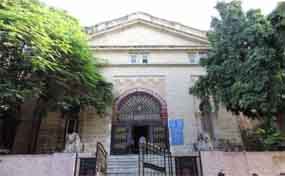
Under the clamor and commotion of cylinders and motors, exchanging and business expending some tea, is a town which has turned into the instructive center of Saurashtra opening the entryways of its tip top foundations to a Prince and a plebeian alike. From the sacred doors of the Alfred High school where strolled a youthful Gandhi to the Cricket arena at Rajkumar College where played a youthful Ranji, Rajkot is a gem of Kathiawar. A stroll through the avenues of the city is the satisfaction of information and sentimentality, the Watson Museum strives for your consideration alongside the Ramkrishna Math and the Lang Library jars for space with a night spent skipping around the lakes. The tinkling of red bangles at the Bangdi Bazaar coordinate the pompous reds of ice confections on summer evenings, perusing and shopping in Rajkot can be such fun!
History of Rajkot
Rajkot is a moderately youthful kingdom cut out of domains seeded and caught by Thakore Sahib Vibhoji Ajoji Jadeja, a scion of the Jamnagar Royal Family in 1620 AD. He was regarded by domains and titles for going to the guide of an ambushed Mughal Empire on Gujarat. Rajkot was dedicated in memory of its prime supporter Raju Sandhi. From that point effective Thakore sahibs merged their region vanquishing the nearby Kathi clans and skirmishing over the fringes of Junagadh. This contention with the Nawabs of Junagadh was to demonstrate exorbitant for a youthful Rajkot state.
7 doors were studded with metal spikes to avoid an assault by elephant mounted force and the eighth called Khadki Naka was unadorned and secured the Nakhlank temple. Two of the entryways make due as Bedi Naka and Rayka Naka to which was included a three storied chime clock tower by the British Political Agent Sir Robert Bell Booth. Nawabi rule in Rajkot kept going all of 12 years until the Jadeja's wrested back control.
Under a kindhearted British organization harmony and serenity ruled over Rajkot and the kingdom was permitted to blossom in expressions, instruction and culture. Country specialists got urban support and urban Rajkot saw an abundance of development exercises both open and private started in the Colonial style. Structures of critical intrigue are the Watson Museum and the Lang Library situated in the beautiful surroundings of the Jubalee gardens, the Cannaught Hall and a Masonic Lodge, the main gathering ground for the artisans in western India are vital as well. The Rajkumar College was set up in 11 sections of land of state possessed property as an instructive organization to serve the respectability of Kathiawar. As a British protectorate Rajkot turned into a shelter for researchers, intelligent people, essayists and writers from the nation over. It likewise played host to an assortment of youthful stalwarts who later turned into the cutting edge of the Indian Freedom Fighter.
The underlying foundations of the Indian Freedom Fight are solidly enmeshed inside the establishment of the city. Mahatma Gandhi spent his developmental years, experiencing childhood in Rajkot's Gheekantha region and learning at the then Alfred High School, presently renamed as Gandhi Vidyalaya. His dad Karamchand Gandhi had been delegated the Diwan of Rajkot by the British as the beneficiary to the royal position was a minor. It was later in 1939 that the Mahatma returned back to Rajkot to set up the Rashtriyashala, giving the ethos of autonomy through the valuable weaves of Khadi.
Rajkot turned into the principal state to intentionally converge with the Indian Union and in 1948 turned into the common capital of Saurashtra state with U.N. Dhebar as its first Chief Minister until 1956 when the Saurashtra Peninsula was converged with the bilingual territory of Bombay. Rajkot and Saurashtra turned into a piece of Gujarat in 1961 and today Rajkot is a rambling city of Saurashtra and a pride of Gujarat's developing major cities.